
La cancelación de un evento no destruye tu reputación si la manejás con comunicación inmediata, opciones claras y cumplís lo que prometés. El verdadero problema no es cancelar, sino improvisar sin tener acceso directo a los datos de compradores y canales de comunicación propios. Por eso elegir una plataforma de ticketing que te dé control total sobre tu marca y audiencia es fundamental para navegar cualquier crisis de manera profesional.
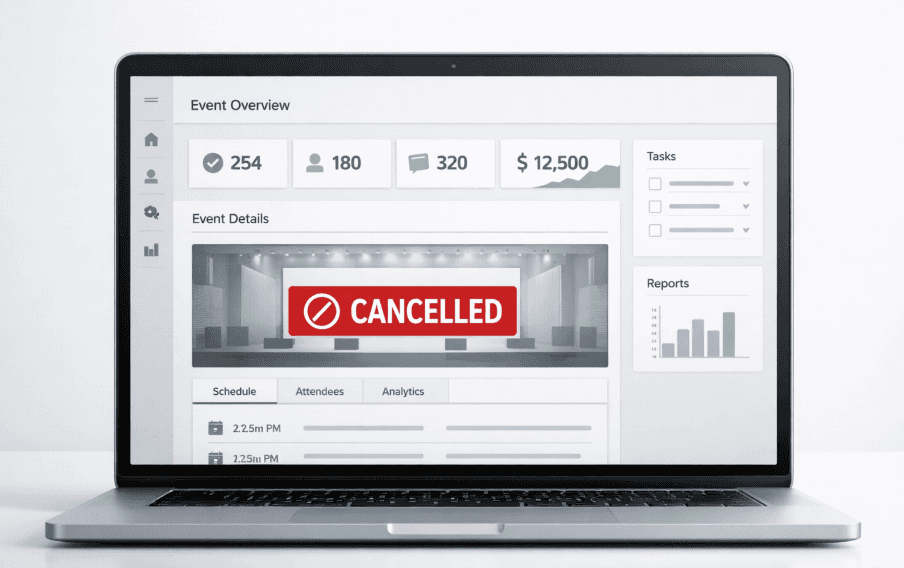
Event cancellation is one of the most complex situations any organizer can face. It's not just about refunding tickets or delivering bad news: it's a critical moment where your brand's reputation is put to the test. How you manage this process can strengthen your audience's trust or destroy years of work in a single week.
In this article, you'll find a complete guide to navigate a cancellation professionally, protecting your image and laying the groundwork for future successful productions.
What is event cancellation and why does it impact your brand
An event cancellation occurs when a show, festival, conference, or any scheduled activity cannot take place on the planned date. Causes can vary: weather problems, logistical issues, force majeure situations, changes in artist or speaker availability, or operational decisions by the organizer.
The impact on your brand depends on how you handle three fundamental variables: communication speed, message clarity, and the actual ability to execute refunds or rescheduling. If you fail on any of these three, the reputational damage can be irreversible.
Think of it this way: each person who bought a ticket trusted you. They reserved their time, organized their schedule, maybe traveled or booked accommodation. When you cancel, you're not just frustrating an expectation; you're creating a concrete problem that person needs to solve. Your response defines whether they'll remember you as a serious organizer or someone they won't buy from again.
What people look for when event cancellation occurs
Understanding your audience's search intent is key to anticipating and responding correctly. When someone searches for information about a cancellation, they're usually in one of these states:
News confirmation: They want to know if the event was really canceled or if it's a rumor. They're looking for official sources.
Refund information: Their priority is knowing how to get their money back, within what timeframe, and through which method.
Rescheduling: If the event has a new date, they want to know if their ticket is still valid.
Contact channel: They need to know where to make specific inquiries about their particular case.
Frequent searches related to event cancellation
The most common queries buyers make include variations like: "is [event name] canceled?", "how to request ticket refund", "what happens to my ticket if they cancel the event", "ticket refund for canceled event", and "new date for [event name]".
If you're an organizer, these searches should lead you to a clear conclusion: you need to have answers published before people search for them. A well-written statement, accessible from your website and social media, drastically reduces friction and frustration for your audience.
The biggest mistake when handling event cancellation
The most serious mistake isn't canceling. It's communicating late, communicating poorly, or not having a clear system to execute what you promise.
Many organizers fall into the trap of delaying the announcement hoping for a magic solution. Meanwhile, buyers are already seeing rumors on social media, generating theories, and losing trust. When the official statement finally comes out, the damage is already done.
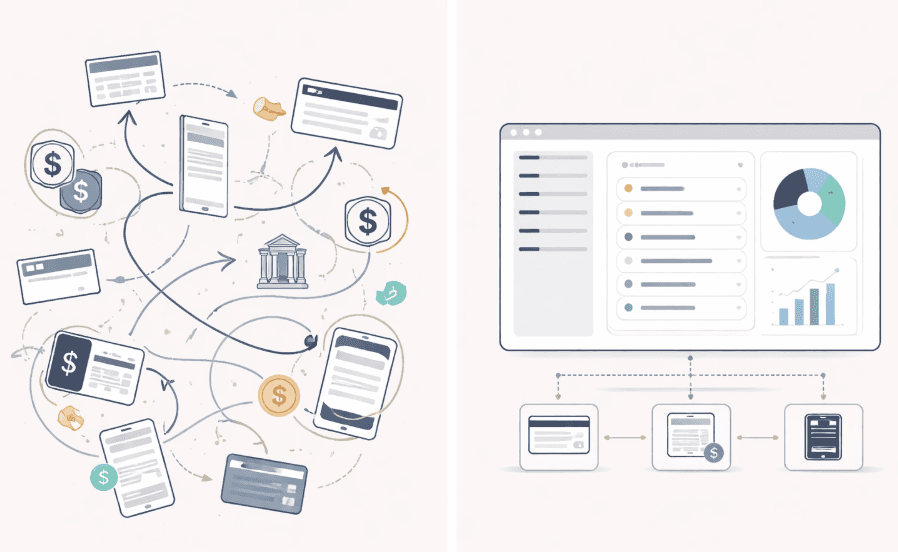
Another frequent mistake is promising refunds without being clear on how to execute them. If you sold tickets through multiple channels, with different payment methods and without a centralized buyer registry, the refund process becomes an administrative chaos that ends up damaging your reputation even more.
The lesson is simple: the cancellation itself is manageable. What destroys brands is the improvisation that follows.
How your ticket selling method influences event cancellation
The infrastructure you use to sell tickets completely determines your response capacity to a cancellation. Not all sales channels leave you in the same position.
Selling tickets with payment links
If you sell tickets using generic payment links (bank transfers, Stripe without integration, or manual systems), you probably don't have a complete record of who bought what. Faced with a cancellation, you'll have to rebuild the buyer list from scratch, cross-referencing payment data with WhatsApp messages or emails.
This method might work for very small events, but scales terribly. The bigger the event, the more chaotic the refund process.
Ticket marketplaces
Marketplaces centralize the sale of multiple events from different organizers on a single platform. This has operational advantages, but also important limitations when facing a cancellation.
The buyer associates the purchase with the marketplace, not with your brand. When they search for cancellation information, they'll probably go to the marketplace first, not your official channels. This takes away your control over the message and narrative.
Additionally, the refund process is subject to the marketplace's timeframes and policies. You might want to return money within 48 hours, but if the platform has a different procedure, there's not much you can do about it.
White-label ticketing
A white-label ticketing platform allows you to sell tickets from your own domain, with your brand visible throughout the purchase process. The buyer sees your identity, not a third party's.
Faced with a cancellation, this structure gives you concrete advantages. You have direct access to the buyer database, you can communicate with them without intermediaries, and you control the message from start to finish. The cancellation experience remains part of your brand, allowing you to manage it consistently with your identity.
Platforms like Fanz operate under this model: the organizer maintains total control of the relationship with their audience, even in difficult moments. This doesn't eliminate the problem of canceling, but it gives you the tools to handle it professionally.
What buyers expect when event cancellation occurs
Put yourself in the shoes of someone who bought a ticket. That person wants three basic things:
Immediate and clear information. They don't want to find out from third parties or have to search social media for what happened. They expect an official statement, direct, no beating around the bush.
Concrete options. If there's rescheduling, they want to know the new date. If there's a refund, they want to know the exact process: where, when, how.
Respect for their time and money. They're not interested in hearing extensive excuses or unnecessary justifications. They want a quick and professional solution.
If you meet these three expectations, most buyers will understand the situation and maintain a positive image of your brand. If you fail on any, you'll generate frustration that translates to negative comments, destructive reviews, and loss of future audience.
Best practices for managing cancellations without damaging your brand

Communicate before they ask. If you know you're going to cancel, publish the statement before rumors start. A proactive announcement is always perceived better than a late reaction.
Use all your channels. Email, social media, website. The message needs to be available everywhere your audience might look for it.
Be specific with timeframes. Don't say "in the coming days." Say "within the next 72 hours" or "before Friday the 15th." Concrete deadlines generate trust.
Offer alternatives when possible. If you can reschedule, communicate the new date. If you can offer credit for future events in addition to refunds, mention it as an option.
Document the entire process. Keep records of every communication sent, every refund processed, every special case. This protects you from future claims and allows you to improve for next time.
How to prepare before event cancellation
The best crisis management is planned before it occurs. These are actions you can take today to be prepared:
Choose a sales system that gives you access to buyer data. If you have no way to contact your audience directly, you're in trouble from the start.
Have a communication template ready. You won't want to write from scratch in a crisis moment. Have a draft ready that only needs specific details filled in.
Define clear refund policies before selling the first ticket. Publish these policies on your website and make sure they're visible during the purchase process.
Establish an internal decision flow. Who authorizes the cancellation? Who writes the statement? Who executes the refunds? Having these roles defined accelerates the entire process.
Why how you sell tickets defines how you navigate cancellation
Everything you did before the cancellation determines your response capacity during the crisis. If you chose to sell through dispersed channels, without centralized records, without your own brand visible, you'll suffer the consequences when something goes wrong.
Conversely, if you invested in building a professional operation with a ticketing platform that allows you to maintain control of your brand, access your buyer data, and communicate directly with your audience, you'll be able to navigate a cancellation in an organized manner.
Cancellation is not the time to improvise infrastructure. It's the moment where you notice whether you had it or not.
That's why organizers working with platforms like Fanz have the peace of mind of knowing that, even in the worst scenario, they have the tools to manage the situation professionally. The brand remains theirs, the data remains theirs, and the relationship with the audience stays intact.
What should I communicate first when canceling an event?
The essentials: confirmation of cancellation, brief reason (without extensive excuses), available options for buyers (refund, rescheduling, credit), and concrete timeframes for each option.
How long should I take to process refunds?
Ideally, communicate a maximum timeframe of 7 to 14 business days. The faster, the better for your reputation. If you depend on a third party to process payments, make sure you know their actual timeframes before communicating.
Can I offer credit instead of refund?
You can offer it as an alternative, but legally the buyer has the right to choose a full refund. Credit must be an option, not the only way out.
What if I don't have buyer data?
You'll have to rebuild the information by cross-referencing payment records with other channels. It's a slow process prone to errors. For future events, consider using a sales system that centralizes this data from the start.
How do I prevent a cancellation from destroying my reputation?
The key is in the speed and clarity of communication, delivering on what you promise, and maintaining a professional tone at all times. A well-managed cancellation can even strengthen your audience's trust.
Is it better to cancel or reschedule?
It depends on the situation. If you have a viable new date and most buyers can attend, rescheduling is usually better for both parties. If there's uncertainty about the new date, it's more honest to cancel and refund.
¿Qué es la cancelación de eventos y por qué afecta tanto a la marca de los organizadores?
La cancelación de eventos ocurre cuando un espectáculo, festival, conferencia o cualquier actividad programada no puede realizarse en la fecha planificada. Las causas pueden ser problemas climáticos, logísticos, situaciones de fuerza mayor, cambios en la disponibilidad de artistas o decisiones operativas del organizador. El impacto en tu marca depende de cómo manejes tres variables fundamentales: velocidad de comunicación, claridad del mensaje y la capacidad real de ejecutar reembolsos o reprogramaciones. Si fallás en alguna de estas tres, el daño reputacional puede ser irreversible.
¿Cuál es el error más grave que cometen los organizadores al cancelar un evento?
El error más grave no es cancelar, sino comunicar tarde, comunicar mal o no tener un sistema claro para ejecutar lo que prometés. Muchos organizadores caen en la trampa de demorar el anuncio esperando una solución mágica. Mientras tanto, los compradores ya están viendo rumores en redes sociales, generando teorías y perdiendo confianza. Cuando finalmente sale el comunicado oficial, el daño ya está hecho. Otro error frecuente es prometer reembolsos sin tener claro cómo ejecutarlos.
¿Cómo influye la forma de vender entradas en mi capacidad para manejar una cancelación?
La infraestructura que usás para vender entradas determina completamente tu capacidad de respuesta ante una cancelación. Si vendés con links de pago genéricos, probablemente no tengas un registro completo de quién compró qué. Con marketplaces, el comprador asocia la compra con la plataforma, no con tu marca, y el proceso de reembolso está sujeto a sus políticas. En cambio, con ticketing de marca blanca como Fanz, tenés acceso directo a la base de compradores, podés comunicarte sin intermediarios y controlás el mensaje de principio a fin.
¿Qué esperan los compradores cuando se cancela un evento?
Los compradores quieren tres cosas básicas: información inmediata y clara sin que tengan que buscarla en redes sociales, opciones concretas sobre qué va a pasar con su entrada (si hay reprogramación o reembolso), y respeto por su tiempo y dinero con procesos rápidos y profesionales. No les interesan excusas largas ni justificaciones innecesarias, quieren una solución rápida y profesional. Si cumplís estas tres expectativas, la mayoría va a entender la situación y mantener una imagen positiva de tu marca.
¿Cuáles son las mejores prácticas para manejar cancelaciones sin dañar la marca?
Las mejores prácticas incluyen comunicar antes de que pregunten, publicando el comunicado antes de que empiecen los rumores. Usá todos tus canales: email, redes sociales, sitio web. Sé específico con los plazos, no digas en los próximos días sino dentro de las próximas 72 horas. Ofrecé alternativas cuando sea posible, como reprogramación o crédito para futuros eventos además del reembolso. Y documentá todo el proceso: cada comunicación enviada, cada reembolso procesado, cada caso especial, para protegerte de reclamos futuros.
¿Cómo me preparo antes de que ocurra una cancelación de evento?
La mejor gestión de crisis se planifica antes de que ocurra. Elegí un sistema de ventas que te dé acceso a los datos de compradores, tené listo un template de comunicación que solo necesite completar detalles específicos, definí políticas de reembolso claras antes de vender la primera entrada y publicálas en tu sitio web. También establecé un flujo interno de decisiones: quién autoriza la cancelación, quién redacta el comunicado, quién ejecuta los reembolsos. Tener estos roles definidos acelera todo el proceso.
Tags