
La elección del tipo de evento correcto define el éxito desde el arranque: cada formato sirve a objetivos distintos, atrae audiencias específicas y requiere estrategias particulares de ticketing y marketing. No elijas por tendencia sino por ajuste: un evento chico bien ejecutado siempre supera a uno ambicioso que no cumple expectativas. La clave está en empezar con un formato que puedas dominar y después expandir tus capacidades con el tiempo.

Choosing the right event format can be the difference between a sold-out success and a half-empty venue. It's not just about "hosting something," but understanding what type of experience generates the results you're seeking: engagement, sales, community, brand awareness, or education.
In the United States, where we see everything from massive concerts at Madison Square Garden to intimate workshops in Brooklyn coffee shops, each type of event has its own dynamics, specific audience, and particular operational challenges. And if you're selling tickets, the differences multiply: you don't manage a 5,000-person concert the same way as a 30-person workshop.
This guide analyzes the 14 most common types of events in the US, focusing on what works, what audiences seek in each format, what tools you need, and what mistakes can sink you before you start.
What do we mean by "event types"?
When we talk about event types, we're referring to categories that group experiences with similar characteristics regarding:
Purpose: Why does the event exist? (entertain, educate, connect, sell, celebrate)
Format: How is it structured? (in-person, virtual, hybrid)
Audience: Who is it for? (general public, segmented, corporate, niche)
Production: What level of complexity? (from a Zoom talk to a 3-day festival)
Monetization: How is it funded? (ticket sales, sponsors, free)
Why choosing the right event type matters:
Choosing the wrong type can mean:
Audience that doesn't connect with the format
Unmet expectations
Inadequate ticketing tools
Poorly allocated resources
Real example: An organizer planned a 4-hour "conference" with speakers. The audience expected networking and breaks, but the format was just talks without pauses. Result: 40% abandonment after the first hour. The problem wasn't the content—it was the chosen format. proper event planning
The 14 most used event types in the US
1. Social events

What type of event is this?
Private or semi-public celebrations: birthdays, anniversaries, weddings, baby showers, graduation parties.
When to use this event type:
When the goal is celebrating a personal or group milestone in an intimate or controlled environment.
Characteristics of social event organization:
Generally private (closed guest list)
High emotional investment
Venues: event halls, private homes, outdoor spaces
Rarely involve ticket sales (except graduation parties or open themed events)
Operational considerations:
If selling tickets: need allowlist (access codes) and strict door validation
Communication: digital invitations, WhatsApp, private social networks
Expected attendance: 30-300 people (depending on type)
When NOT to choose this format:
If your goal is building long-term community or generating recurring revenue. Social events are unique experiences, not series.
2. Cultural events

What type of event is this?
Activities related to art, literature, film, heritage: film screenings, exhibitions, literary talks, cultural tours, projections, book launches.
When to use this event type:
When you're looking to educate, raise awareness, or connect audiences with artistic or heritage content.
Characteristics of cultural event production:
Segmented and loyal audience (cultural niche)
Usually affordable or free admission (with sponsorship)
Common venues: cultural centers (Lincoln Center, Kennedy Center, MoMA), libraries, galleries
Communication: newsletters, cultural Instagram, word-of-mouth
Useful data:
Typical attendance: 50-500 people
High no-show rate if free (40-50%)
Operational tip:
If your cultural event is free, still require registration. Two benefits: you control capacity and build a database for future events. Send a 24-hour reminder (reduces no-shows).
Key tools:
Ticketing system that allows free issuance but with capacity control. Email marketing for post-event communication.
3. Concerts and music shows
What type of event is this?
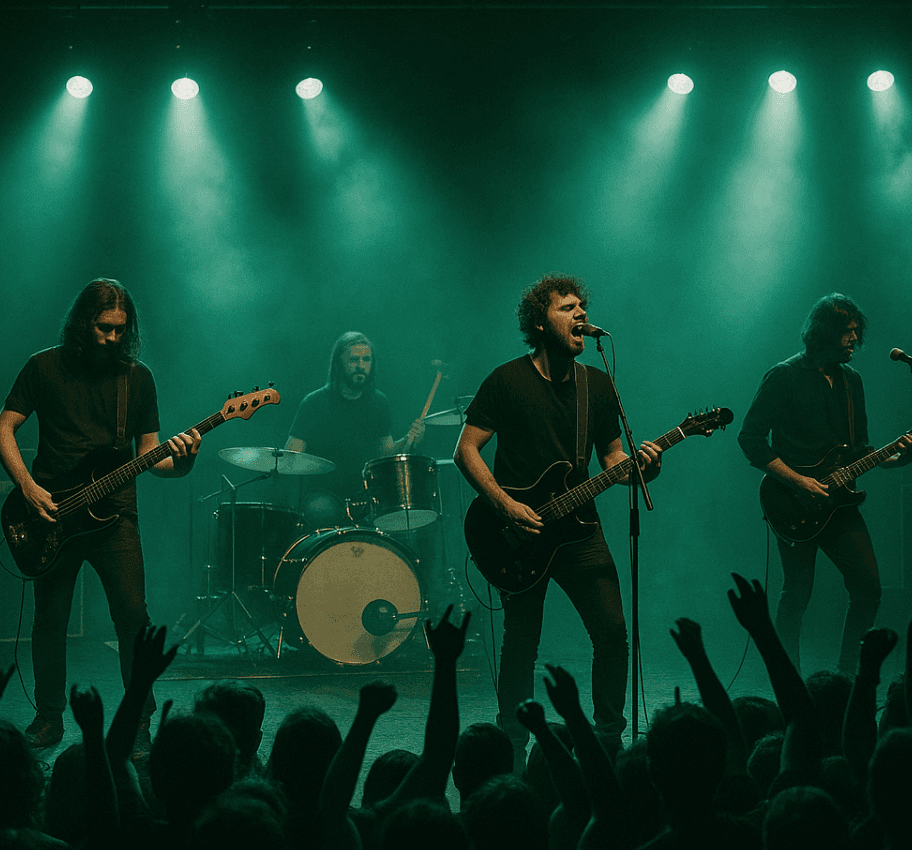
Live musical performances: from indie bands in bars to massive stadium shows.
When to use this event type:
When the goal is pure entertainment and the product is live music.
Characteristics of music event organization:
One of the most massive and competitive formats
Diverse age demographics depending on musical genre
Venues: from bars (100 people) to stadiums (50,000+)
Ticket sales critical: defines economic viability
US market data:
Scales from emerging bands to international artists
Venue commission typically between 20-30% of gross (if charging commission + rental)
Event management challenges:
High competition (multiple shows on the same day)
Tiered sales (early bird, regular, door)
Strict capacity management (municipal permits)
Fast door validation (avoid lines)
Common mistakes: Underestimating production costs (sound, lights, backline)
Not activating remarketing (60-70% cart abandonment)
Relying on door sales (operational risk)
Key tools:
Mobile-first checkout (70% buy from phone), automatic remarketing, QR system that works offline, real-time dashboard to adjust strategy during presale.
4. Theater and performing arts

What type of event is this?
Theater productions, stand-up comedy, dance, musical theater, performance art.
When to use this event type:
When the narrative or performative format is central to the experience.
Characteristics of theatrical event production:
Long runs (productions with multiple performances)
Loyal and recurring audience
Venues: independent theaters, off-Broadway, commercial theaters, alternative spaces
Sales by performance or season subscription
Useful data:
Target occupancy: 70-80% (below that, economically unviable)
Performances per week: 3-8 depending on scale
Event organization considerations:
Seat selection (venue maps)
Group discounts
Weekly communication (remind each performance)
Own database (critical for future seasons)
Key tip:
In theater, the value is in recurrence. A production running 3 months with 4 weekly performances needs sustained communication strategy. Integrated email marketing is essential: weekly reminders to your database generate 30-40% of sales. email marketing for events
Key tools:
Multiple performance management, seat maps, discount codes (for groups, students, seniors), exportable database.
5. Corporate (business) events

What type of event is this?
Activities organized by companies for employees, clients, or stakeholders: team building, annual dinners, product launches, kick-offs, corporate presentations.
When to use this event type:
When the goal is strengthening internal culture, aligning teams, celebrating achievements, or generating B2B networking.
Characteristics of corporate event organization:
Nominal invitations (no public sales)
Strict corporate branding
Venues: hotels, convention centers, corporate spaces
Typical capacity: 50-500 people
Corporate event operational considerations:
Registration with validation (only authorized corporate emails)
RSVP confirmation
Company billing
Premium experience expected
Key tip:
In corporate events, branding is non-negotiable. Companies want everything to appear internally developed. You need total white labeling: own domain (e.g., kickoff2025.company.com), corporate palette design, zero third-party platform references.
Key tools:
White label with own domain, custom registration fields (company, department, position), unique access codes, detailed reports for HR.
6. Conferences and workshops

What type of event is this?
Educational events: technical talks, training sessions, hands-on workshops, seminars, masterclasses.
When to use this event type:
When the primary goal is transferring specific knowledge and generating applicable learning.
Characteristics of educational event organization:
Duration: 2 hours to 3 days (depending on format)
Audience: professionals seeking upskilling
Venues: co-working spaces, universities, training centers, online
Monetization: ticket sales (knowledge is the product)
Useful data:
Typical capacity: 20-200 people (depending on format)
Formats range from hands-on to theoretical
Common educational event formats:
Hands-on workshop: 20-40 people, high interaction, exercises
Technical conference: 100-500 people, multiple speakers, networking
Masterclass: 15-30 people, premium expertise
Educational event planning considerations:
Registration with detailed information (company, experience, expectations)
Pre-event materials (sent before event)
Attendance certificates (automatic generation)
Post-event follow-up (content, community)
Common mistakes: Not validating prior knowledge level (overly heterogeneous audience)
Overselling capacity (workshops need limits for interaction)
No follow-up strategy (value is in post-event community)
Key tools:
Custom checkout fields (capture relevant info), automated email marketing (pre-event materials, reminders, follow-up), data export for post-event analysis.
7. Festivals
What type of event is this?
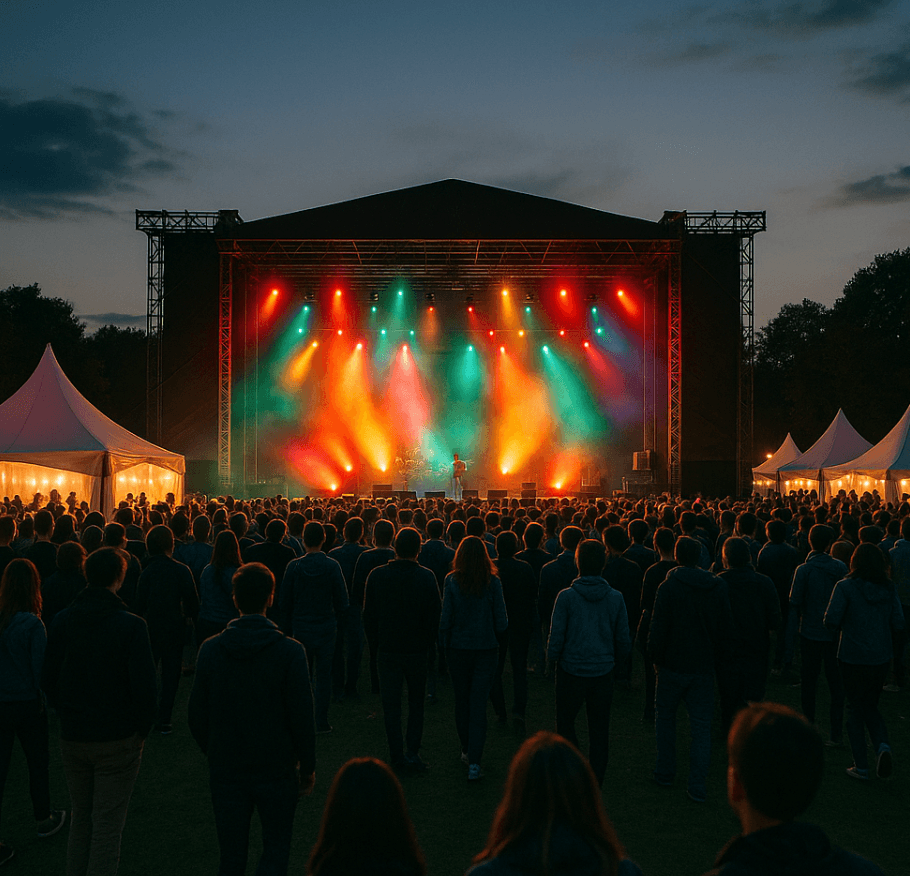
Multi-activity events spanning one or more days: music festivals, food festivals, film festivals, literary festivals, art festivals, craft beer festivals.
When to use this event type:
When you want to create an immersive experience combining multiple attractions and generating extended audience engagement.
Characteristics of festival organization:
High logistical complexity
Multiple vendors and coordination
Venues: parks, private grounds, rural spaces
Duration: typically 1 to 5 days
Typical scales for these event types:
Indie festival (1 day, 5 bands): 500-2,000 people
Medium festival (2 days, multiple stages): 5,000-15,000 people
Large festival (3+ days, international): 30,000-100,000+ people (Coachella, Lollapalooza, SXSW)
Types of event tickets:
Day pass (specific day)
Weekend pass (all days)
Early bird (presale discount)
VIP (premium access, catering, exclusive area)
Backstage pass (full access)
Event management challenges:
Capacity management by sections
Multi-point validation (multiple simultaneous entrances)
Continuous communication during event
Payment processing with Stripe, Apple Pay, and ACH for different ticket tiers
Key tip:
Festivals live and die by logistics. The bigger the festival, the more critical real-time data becomes. You need to know at every moment: tickets sold by category, current attendance, capacity by sector, sales velocity. Your ticketing system becomes mission control.
Key tools:
Multi-category ticket management, capacity control by sectors, real-time dashboard, integration with access control systems, mobile sales for on-site purchases.
8. Trade shows and fairs
What type of event is this?
Commercial exhibitions: trade shows, craft fairs, book fairs, technology expos, industry conventions.
When to use this event type:
When the goal is showcasing products/services, generating leads, or creating a marketplace environment.
Characteristics of trade show organization:
Multiple revenue streams (exhibitor fees + attendee tickets)
B2B and B2C audiences
Venues: convention centers, expo halls, outdoor markets
Duration: 1-4 days typically
Revenue model considerations:
Exhibitor booth fees (primary revenue)
Attendee tickets (secondary revenue)
Sponsorship opportunities
Professional vs. general public access
Key tools:
Exhibitor management system, different ticket types (trade vs. public), lead capture integration, vendor payment processing through Stripe and ACH.
9. Sports events
What type of event is this?
Competitive sports: tournaments, races, matches, fitness events, amateur leagues.
When to use this event type:
When the focus is athletic competition, fitness, or sports entertainment.
Characteristics of sports event organization:
Participant registration (athletes/teams)
Spectator tickets
Venues: stadiums, fields, gyms, outdoor spaces
Equipment and safety requirements
Dual audience management:
Participants: registration, waivers, categories
Spectators: ticket sales, seating, concessions
Key tools:
Participant registration with custom fields, waiver integration, spectator ticketing, real-time results tracking.
10. Networking events
What type of event is this?
Professional connection events: industry mixers, business breakfasts, startup events, professional meetups.
When to use this event type:
When the primary goal is facilitating professional connections and relationship building.
Characteristics of networking event organization:
Structured interaction formats
Professional audience
Venues: co-working spaces, hotels, restaurants
Typically 2-4 hours duration
Success factors:
Attendee quality over quantity
Facilitated introductions
Follow-up mechanisms
Key tools:
Professional registration fields, networking facilitation features, post-event contact sharing, CRM integration.
11. Virtual events
What type of event is this?
Online-only events: webinars, virtual conferences, online workshops, digital product launches.
When to use this event type:
When geographic reach is more important than physical presence, or when targeting cost-conscious audiences.
Characteristics of virtual event organization:
Global accessibility
Lower production costs
Platform dependency (Zoom, Teams, specialized platforms)
Different engagement challenges
Technical considerations:
Platform capacity limits
Internet connectivity requirements
Time zone management
Recording and replay options
Key tools:
Integration with virtual platforms, automated email delivery of access links, time zone display, recording access management.
12. Hybrid events
What type of event is this?
Combined in-person and virtual events: conferences with remote attendance, workshops with online participants.
When to use this event type:
When you want to maximize reach while maintaining in-person engagement benefits.
Characteristics of hybrid event organization:
Dual audience management
Complex technical requirements
Different pricing for in-person vs. virtual
Enhanced production needs
Management challenges:
Ensuring virtual audience engagement
Technical backup plans
Different experience levels
Key tools:
Multiple ticket types (in-person/virtual), streaming integration, interactive features for remote attendees, separate communication flows.
13. Fundraising events
What type of event is this?
Charity events: galas, auction events, benefit concerts, charity runs, nonprofit fundraisers.
When to use this event type:
When the primary goal is raising money for a cause or organization.
Characteristics of fundraising event organization:
Mission-driven audience
Multiple giving levels
Donation processing integration
Tax receipt requirements
Revenue considerations:
Ticket sales plus donations
Silent/live auctions
Sponsorship packages
Tax-deductible receipts
Key tools:
Donation processing, multiple giving levels, auction management, tax receipt generation, donor CRM integration.
14. Pop-up and experiential events
What type of event is this?
Temporary, unique experiences: pop-up shops, immersive art installations, brand activations, limited-time experiences.
When to use this event type:
When you want to create buzz, test markets, or provide unique, Instagram-worthy experiences.
Characteristics of popup event organization:
Short duration (hours to days)
High social media potential
Unique or unexpected venues
Limited availability creates urgency
Success factors:
Strong social media strategy
Word-of-mouth marketing
Unique value proposition
Shareable moments
Key tools:
Fast ticket setup, social media integration, limited quantity management, real-time availability updates.
How to choose the right event type
Step 1: Define your primary objective
Revenue generation → Concerts, festivals, conferences
Community building → Workshops, networking events, cultural events
Brand awareness → Pop-ups, experiential events, sponsored festivals
Education → Workshops, conferences, seminars
Celebration → Social events, fundraising galas
Step 2: Know your audience
Demographics: age, profession, interests
Behavior: how they prefer to consume content
Budget: what they're willing to pay
Geography: local vs. national vs. international
Step 3: Consider your resources
Budget available
Team size and expertise
Timeline for planning
Venue options
Technical requirements
Step 4: Evaluate market competition
What similar events exist?
When do they typically occur?
What's their pricing strategy?
How can you differentiate?
Decision framework:
Use this simple scoring system (1-5 scale):
Audience fit: Does this format match your audience preferences?
Resource match: Do you have the capabilities to execute well?
Market opportunity: Is there demand for this type of event?
Competitive advantage: Can you do this better than existing options?
ROI potential: Will this format generate your desired return?
Choose the event type with the highest combined score. If multiple types score similarly, consider starting with the one requiring the lowest initial investment to test the market.
Conclusion: Choosing your event type strategically
The success of your event starts with choosing the right format. Each event type serves different purposes, attracts different audiences, and requires different approaches to ticketing, marketing, and execution.
Key takeaways:
Match event type to your primary objective
Consider your audience's preferences and behaviors
Ensure you have the resources to execute well
Don't choose based on what's trendy—choose based on what works for your specific situation
Remember: A well-executed smaller event is always better than an ambitious event that falls short of expectations. Start with a format you can master, then expand your capabilities over time.
The right ticketing platform should adapt to your chosen event type, not force you into a rigid format. Whether you're selling tickets for an intimate 30-person workshop or managing capacity for a 10,000-person festival, your tools should scale with your ambitions while maintaining the seamless experience your audience expects.
¿Cuáles son los tipos de eventos más populares en Estados Unidos?
Los 14 tipos de eventos más comunes en Estados Unidos incluyen eventos sociales como bodas y graduaciones, eventos culturales en centros artísticos, conciertos desde bares hasta estadios, teatro y artes escénicas, eventos corporativos para empresas, conferencias educativas, festivales de múltiples días, ferias comerciales, eventos deportivos, encuentros de networking profesional, eventos virtuales online, eventos híbridos que combinan presencial y virtual, eventos de recaudación benéfica, y experiencias pop-up temporales. Cada tipo tiene características específicas de audiencia, duración y complejidad operativa.
¿Cómo elegir el tipo de evento correcto para mi organización?
Para elegir el tipo de evento correcto seguí estos pasos: primero definí tu objetivo principal como generar ingresos, construir comunidad, crear awareness de marca, educar o celebrar. Segundo, conocé a tu audiencia analizando demografía, comportamiento de consumo, presupuesto y ubicación geográfica. Tercero, evaluá tus recursos disponibles incluyendo presupuesto, tamaño del equipo, timeline y opciones de venue. Cuarto, analizá la competencia del mercado. Usá un sistema de puntuación del 1 al 5 evaluando ajuste con audiencia, recursos disponibles, oportunidad de mercado, ventaja competitiva y potencial ROI. Elegí el formato con mayor puntaje combinado.
¿Qué diferencias hay entre eventos virtuales, presenciales e híbridos?
Los eventos presenciales se realizan en ubicaciones físicas específicas con interacción cara a cara, requieren venue y tienen capacidad limitada pero generan mayor engagement. Los eventos virtuales son completamente online usando plataformas como Zoom, tienen alcance global sin límites geográficos, costos de producción menores pero desafíos diferentes de engagement. Los eventos híbridos combinan audiencia presencial y virtual simultáneamente, maximizan el alcance manteniendo beneficios del contacto en persona, pero requieren manejo dual de audiencias, requerimientos técnicos complejos, precios diferenciados y planes de contingencia técnica robustos.
¿Cuáles son las características principales de los festivales como tipo de evento?
Los festivales son eventos multi-actividad que duran uno o más días, combinando múltiples atracciones para crear experiencias inmersivas. Tienen alta complejidad logística con múltiples vendors y coordinación. Las escalas van desde festivales indie de 500-2000 personas hasta grandes festivales de 30000-100000+ como Coachella. Manejan diferentes tipos de entradas: pase diario, pase de fin de semana, early bird con descuento, VIP con acceso premium y pases backstage. Los desafíos incluyen manejo de capacidad por sectores, validación multi-punto en entradas simultáneas, comunicación continua durante el evento y procesamiento de pagos para diferentes niveles de tickets.
¿Qué herramientas necesito para organizar eventos corporativos exitosos?
Para eventos corporativos necesitás herramientas específicas porque tienen características únicas: invitaciones nominales sin ventas públicas, branding corporativo estricto, registración con validación de emails autorizados de la empresa, confirmación RSVP, facturación empresarial y experiencia premium esperada. Las herramientas clave incluyen white label con dominio propio como kickoff2025.empresa.com, campos de registro personalizados para empresa, departamento y posición, códigos de acceso únicos y reportes detallados para recursos humanos. El branding es no-negociable: las empresas quieren que todo parezca desarrollado internamente, sin referencias a plataformas de terceros.
Tags